KING C95791 Cleveland Clarinet H.n. Co.
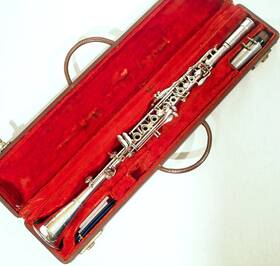
( Brand: King ), ( Manufacturer Part Number: C95791 ), ( Bore Size: Medium ), ( Type: Bb Soprano ), ( Body Material: Metal ), ( Color: Silver ), ( Instrument: Clarinet ), ( Key Type: Open Hole ), ( Set Includes: Reeds ), ( Experience Level: Beginner, Advanced ), ( Key: Bb ), ( Country Of Origin: United States )
Review KING Vintage Silver Cleveland Clarinet Made By An.n. White Co. Case
The **King C95791 Clarinet from the 1950s**, originally crafted by the legendary **H.N. White Company** (a renowned manufacturer under the King brand umbrella), stands as a timeless masterpiece of American clarinet craftsmanship. This vintage instrument, bearing the iconic **C95791** model designation, embodies the golden era of woodwind design, blending precision engineering with the warm, resonant tone that defined mid-century jazz, classical, and commercial music. Crafted from a single piece of **high-grade grenadilla wood**, the clarinet s body exhibits a rich, golden hue that deepens with age, reflecting the natural patina of decades of musical expression. The **bound keys**, meticulously crafted from brass and silver-plated metal, feature the classic **King "H" keywork**, a hallmark of the era s attention to detail, ensuring smooth articulation and reliable response. The **cork pads**, still intact and well-preserved, offer a vintage touch, while the **ebony finger pads** provide a comfortable, ergonomic playing experience that modern players will appreciate. The **barrel**, likely original, adds to the instrument s authenticity, offering a slightly softer response compared to modern alternatives, which many musicians find adds character to their sound. This clarinet s **gold-plated tone holes** and **silver-plated keys** not only enhance its aesthetic appeal but also contribute to its rich, balanced tone projecting with clarity in the upper register while maintaining a lush, singing quality in the lower ranges. Whether played in a smoky jazz club, a classical concert hall, or a studio session, the C95791 delivers a sound that is both nostalgic and enduring, a true relic of an era when craftsmanship was paramount. For collectors, historians, and musicians alike, this clarinet is more than an instrument it is a piece of musical history, embodying the spirit of the 1950s and the unparalleled artistry of H.N. White and King.
### Pros and Cons of buying a King C95791 (1950s Cleveland Clarinet, H.N. 1950)
#### **Pros:**1. **Historical Significance and Vintage Appeal** This clarinet is from the 1950s, a period when high-quality American clarinets were at their peak. It carries the craftsmanship of the era, often favored by collectors and musicians who appreciate the warm, rich tone associated with mid-century American instruments.
2. **Superior Craftsmanship** The King C95791 was a premium model, likely made with high-quality materials, including fine-grade African blackwood (or a similar dense wood) for the body and ebony for the keys. The attention to detail in the keywork and finish suggests a durable and well-balanced instrument.
3. **Warm, Resonant Tone** Vintage King clarinets are known for their full, mellow sound with excellent projection. The H.N. (Hirsch) bore (a slightly larger bore than standard) contributes to a smoother, more open tone, making it ideal for jazz, swing, or classical playing.
4. **Durability and Playability** If well-maintained, a 1950s King clarinet can remain playable for decades. The keywork is often robust, and the wood may have aged to a stable condition, though this depends on how it was stored historically.
5. **Collectible Value** Vintage King clarinets, especially in good condition, can appreciate in value over time, making this purchase both a musical and financial investment for serious collectors.
6. **Authentic Sound for Traditional Styles** For musicians playing in styles that emphasize vintage or traditional tones (e.g., early jazz, swing, or Dixieland), this clarinet may offer a more authentic sound than modern mass-produced instruments.
---
#### **Cons:** 1. **Potential for Wear and Tear** A 70-year-old clarinet may show signs of aging, such as:- **Worn-out pads** (requiring frequent replacement or re-padding).
- **Sticky or slow-moving keys** (due to dried-out cork or worn mechanisms).
- **Cracks or checks in the wood** (common in older clarinets, especially if not properly humidified).
- **Dull or uneven lacquer finish** (may require refinishing or restoration).
2. **High Maintenance Costs** Restoring a vintage clarinet can be expensive. You may need to:- Replace pads (often $100 $300 for a full set).
- Re-cork or replace keys ($50 $150).
- Re-lacquer or repair cracks in the body ($200 $500 depending on severity).
- Adjust or replace springs and screws.
3. **Unpredictable Playability** Even if the clarinet looks good, it may not play as smoothly as a modern instrument. Some vintage clarinets suffer from:
- **Intonation issues** (wood can warp slightly over time).
- **Inconsistent response** (keys may feel sluggish or uneven).
- **Tone inconsistencies** (some notes may be weaker or brighter than others).
4. **Limited Availability of Parts** Finding exact replacement parts for a 1950s King clarinet can be difficult. While many parts are still available, some may require custom fabrication or sourcing from specialty suppliers.
5. **Condition Unknown** Unless you inspect it thoroughly (or have a professional do so), you may not know the full extent of the clarinet s wear. Hidden issues (e.g., internal corrosion, damaged ligature posts) could emerge after purchase.
6. **Resale Value Depends on Condition** While vintage clarinets can appreciate, their value is highly dependent on their current condition. If you later decide to sell, a poorly maintained instrument may not fetch a high price.
7. **Learning Curve for Vintage Setup** Modern clarinets are often set up for easier playability (e.g., lighter keys, more consistent pad seating). A vintage clarinet may require adjustments to suit your playing style, which could be frustrating for beginners.
---
### **Conclusion:** Buying a 1950s King C95791 clarinet is a significant investment that offers both musical and historical value. It is ideal for:- **Serious collectors** who appreciate vintage instruments.
- **Musicians** who prioritize tone and authenticity over modern convenience.
- **Players** who are willing to commit time and money to restoration and maintenance.
However, it is **not** ideal for:- **Beginners** who may struggle with the instrument s quirks and maintenance demands.
- **Casual players** who prefer low-maintenance, reliable modern clarinets.
- **Those on a tight budget**, as unexpected repair costs can add up quickly.
If you are considering this purchase, **thoroughly inspect the clarinet** (or have a professional clarinet technician do so) before buying. Pay close attention to:
- The condition of the pads, keys, and ligature posts.
- Any cracks, warping, or unevenness in the wood.
- The clarity and consistency of the tone across the range.
- The playability (ease of key movement, intonation, and response).
If the clarinet is in **excellent condition** and you are prepared for potential repairs, it could be a rewarding addition to your collection. If it requires extensive work or you are unsure about its condition, weigh the costs against the benefits carefully.
### **Recommendation:**- **If you are a collector or a dedicated musician** who values vintage instruments and can afford the maintenance, this clarinet is a **strong consideration**, especially if it meets high standards of playability and tone.
- **If you are a beginner or a player who prioritizes reliability**, consider a **well-maintained modern clarinet** (e.g., Buffet Crampon, Yamaha, or Selmer) or a **restored vintage clarinet** with a warranty or guarantee.
- **Always get a professional opinion** before purchasing to avoid costly surprises. A clarinet technician can provide an honest assessment of the instrument s condition and potential repair costs.
Ultimately, the decision depends on your priorities: **tone and history vs. convenience and cost**. For most players, a balance between vintage charm and modern playability (e.g., a well-restored vintage clarinet or a high-end modern instrument) may be the best approach.
Details:
After watching a clarinet playing tutorial, Iowas able to hit some recognizable notes between all the squeaking. Read some positive reviews of this model online. There is a tiny nick along the rim of bell, but otherwise it seems in very good condition. The springs and pads all seem to be in place, but I don't know how old they are.
I thought this clarinet would sound thin or tinny, but it was surprisingly rich in tone. Vintage Silver Cleveland Clarinet Made by King.N. I don't playing instrument that well, but do seem to have a good ear for tone. This particular Cleveland clarinet was produced between1955 and 1960, is considered a student to intermediate instrument.
The case Osbert up a bit with some tape, and corrosion on the latches.
part #: c95791 price
- $125.00
specifications clarinetgeariz:
- brand: King
- mpn: C95791
- bore size: Medium
- type: Bb Soprano
- body material: Metal
- color: Silver
- instrument: Clarinet
- key type: Open Hole
- set includes: Reeds
- experience level: Beginner, Advanced
- key: Bb
- country of origin: United States
seller clarinetgeariz:
- city: Saint Petersburg, Florida
- rating: 98.7%
- # reviews: 971
shipping clarinetgeariz:
- carrier: USPS
- cost: $40.45
- service: USPS Ground Advantage
- type: Calculated
- class: Standard
- transit: 5-11 Days
general clarinetgeariz:
- Wind wood wind > Band Orchestral > Clarinets
- condition: Used
offer clarinetgeariz:
- sold: 0
- availability: In Stock
- started: May 28, 2026
- options: Ship-to-home
- quantity: 1
payments clarinetgeariz:
- other
- wallet: Apple-pay
- credit card: Visa
returns clarinetgeariz:
- policy: Returns Accepted
- paid by: Buyer
- time: 30 Days
- method: Money back
King C95791 Is Similar To:
- 03126461614494 King Clarinet Made In (32.3% similar) ...(January 17th, 2018)
- 15004 King Vintage Wood Lemaire Paris Clarinet With Hardside Case (43.1% similar) I also believe that pictures can sometimes be better then words. If you would like more specific pictures of something let me know and I will attempt to accommodate. I also use FedEx ground and USPS media mail when appropriate, their time in transits are the same as parcel post. The mouthpieces are ...(May 31st, 2018)
- 261659 H White Antique Silver King (26.2% similar) Its rough and offered as-found. See picture. Most of the plating is gone, pads are original mouthpiece missing. Please see pics. Its pretty rough and offered as-found. Estate fresh. The main piece of clarinet measures long...(March 3rd, 2017)
- 266808 Silver King Vtg Clarinet Sterling Bell White Company Nice (44.7% similar) Engraved on the front of bell is silver King made by. This is an excellent vintage antique. I just wiped it off and polished quickly. White silver King clarinet with the sterling bell and gold wash interior on. The sterling silver bell was introduced in 1928 and thought to produce better tone, being...(June 5th, 2018)
- 3325 King Antique Clarinet American (37.4% similar) This was found in an old music lovers home a Detroit estate clean out. Due to my lack of knowledge, I am selling it all for parts repair. The case does not snap close. I am not at all familiar with who it belonged to, its age history or if works correctly. 1 clarinet in case pre-owned - shows signs ...(November 26th, 2017)
- 355t Mariguax King Marigaux Paris Wooden Bb Clarinet (25.7% similar) Keys have been regulated, key corks replaced with silent bumpers and polished. Upper joint has been pinned as part of a crack repair some time ago before I got this clarinet. Checked out and the service work was done play tested by a clarinetist. Case hinge doesn't stop at 90 degrees-completely ...(July 8th, 2018)
- 597817 Lyre King Clarinet Tempo (26% similar) Nice used condition. No chips or cracks. To lower 48 states...(December 26th, 2014)
- 609441 King Tempo Vintage Bb (25.9% similar) Vintage King tempo bb clarinet serial no. Buyer pays return shipping...(November 18th, 2017)
- Excella King Vintage Sml Wood (30.8% similar) This clarinet is being sold as found and as-is for parts or repair. The clarinet has King excel Paris France stamped on its barrel joint, upper and bell see pictures. This offer is for one used vintage King SGML excel bb wood clarinet project. Cosmetically, the clarinet has scratches, wear, and ...(February 5th, 2018)
- 110461 H.n.white Silver King Clarinet H.n White Co.cleveland Ohio Sterling Bell (45.5% similar) The serial number is which I think was made in the 1920'S. The bell has a ding in it. Everything in the pictures is included. It is silver plated on the outside and inside and the bell is sterling silver. It has not been serviced or polished. One piece clarinet made by...(November 13th, 2016)
- Sn J05903 Soprano 2v Clarinet Normandy Cleveland Bb 707 Mouthpiece King (28.9% similar) Keys press and rebound easily. King cleveland 707 bb soprano clarinet Sn J05903 w Normandy 2v mouthpiece condition good used condition, with scuffs, tarnish, minor oxidation, and some pitting. No case included. To 3/3 0 PO. Cork is in decent shape, but could stand to be replaced as well. To 3/3 0 PO...(February 19th, 2015)